Kyoto: The City of Ten Thousand Shrines (and an Alley Restaurant Worth Finding)
I spent the summer of 2014 backpacking around Japan, and Kyoto turned out to be my favourite stop. Tokyo is electric, Osaka is loud, but Kyoto is the one with character and history. It was the capital of Japan for over a thousand years, and you can feel that weight in the streets — old wooden houses, narrow alleys, shrines tucked between everything.
Getting There
You have two ways into Kyoto: fly to Kansai International Airport in Osaka and take the train in, or do what I did and ride the Shinkansen down from Tokyo.
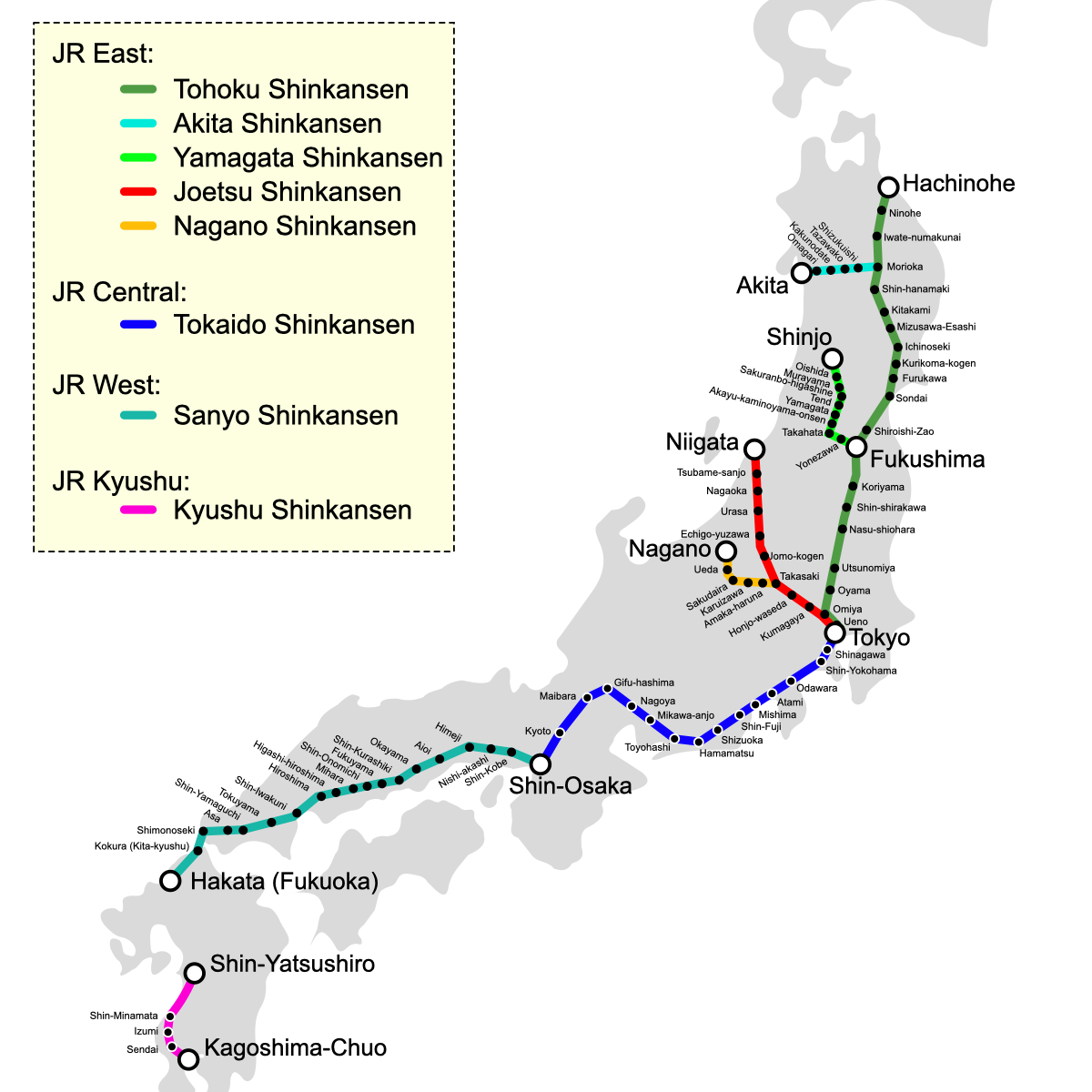
The Shinkansen network covers the entire country end to end. Tokyo–Kyoto runs on the Tokaido line (the red one in the middle) operated by JR Central.
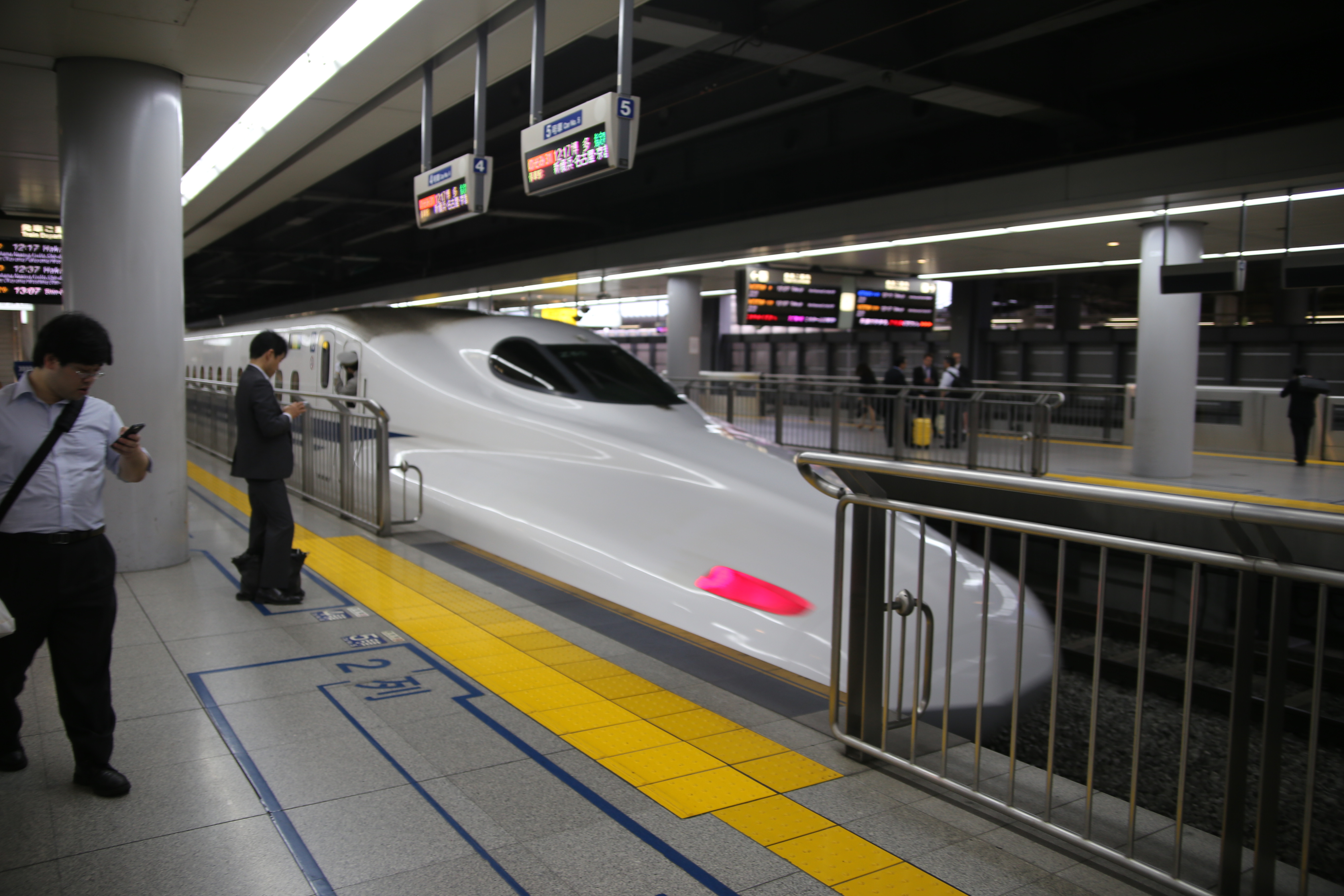
The bullet train tops out at 320 km/h (200 mph) and the run from Tokyo to Kyoto takes about 3 hours. If you’re going to do any other intercity travel in Japan, get the JR Pass before you fly in. It gives you unlimited rides on JR trains across the country, and the value is unbeatable if you’re hitting more than two cities.
First Sight: Kyoto Tower
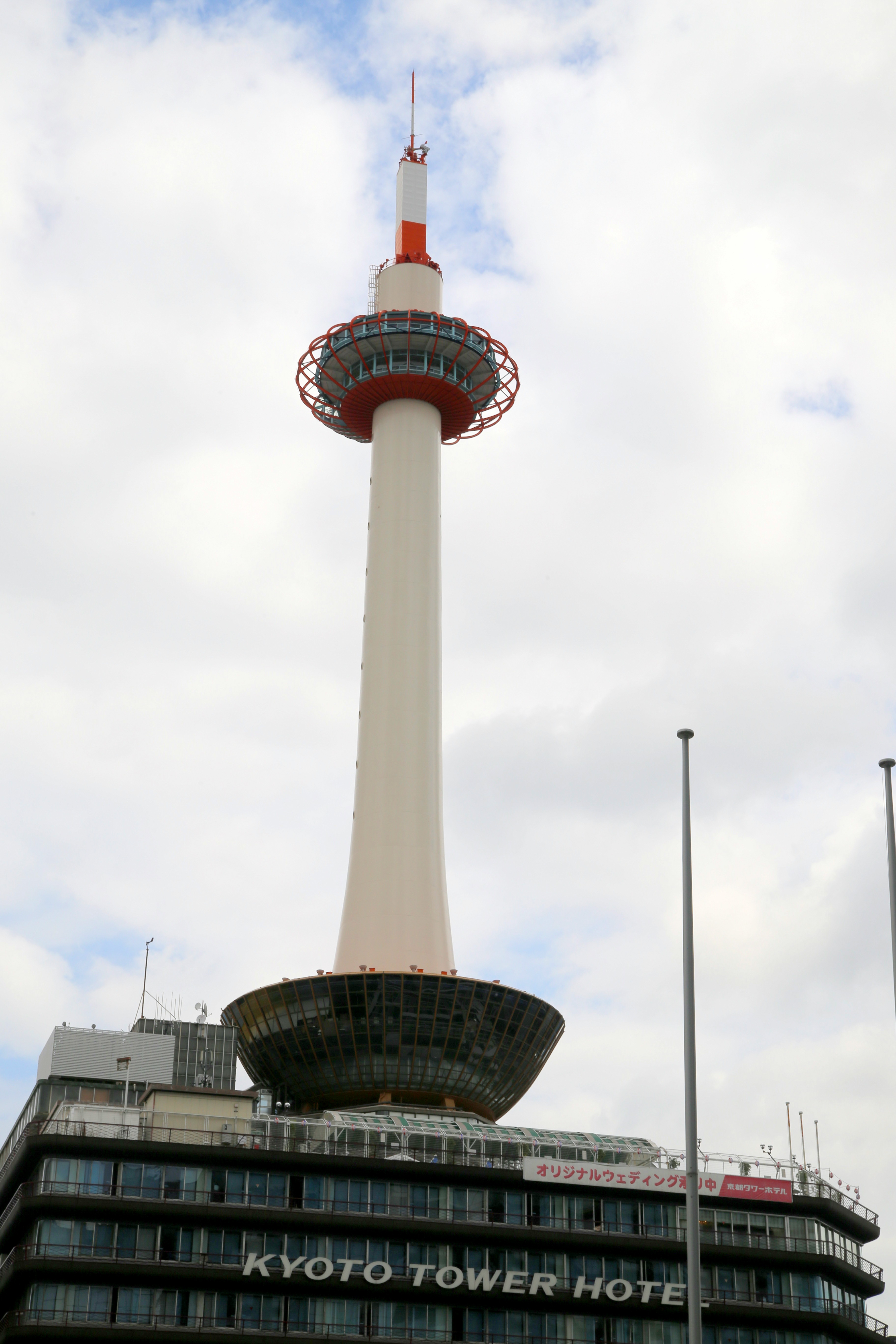
Kyoto Tower is the first thing you see walking out of Kyoto Station. It’s not exactly historic — it was built in the 1960s — but it’s the orienting landmark of the city and the easiest way to know you’ve actually arrived.
Public transport in Kyoto is fine. Not as dense or polished as Tokyo, but the city is small enough that buses and a few subway lines cover most of what you’d want to see.
Ginkaku-ji — The Silver Pavilion
There are literally more than ten thousand shrines and temples in Kyoto. I had two days. So I picked the most-visited ones, which is how I ended up at Ginkaku-ji.
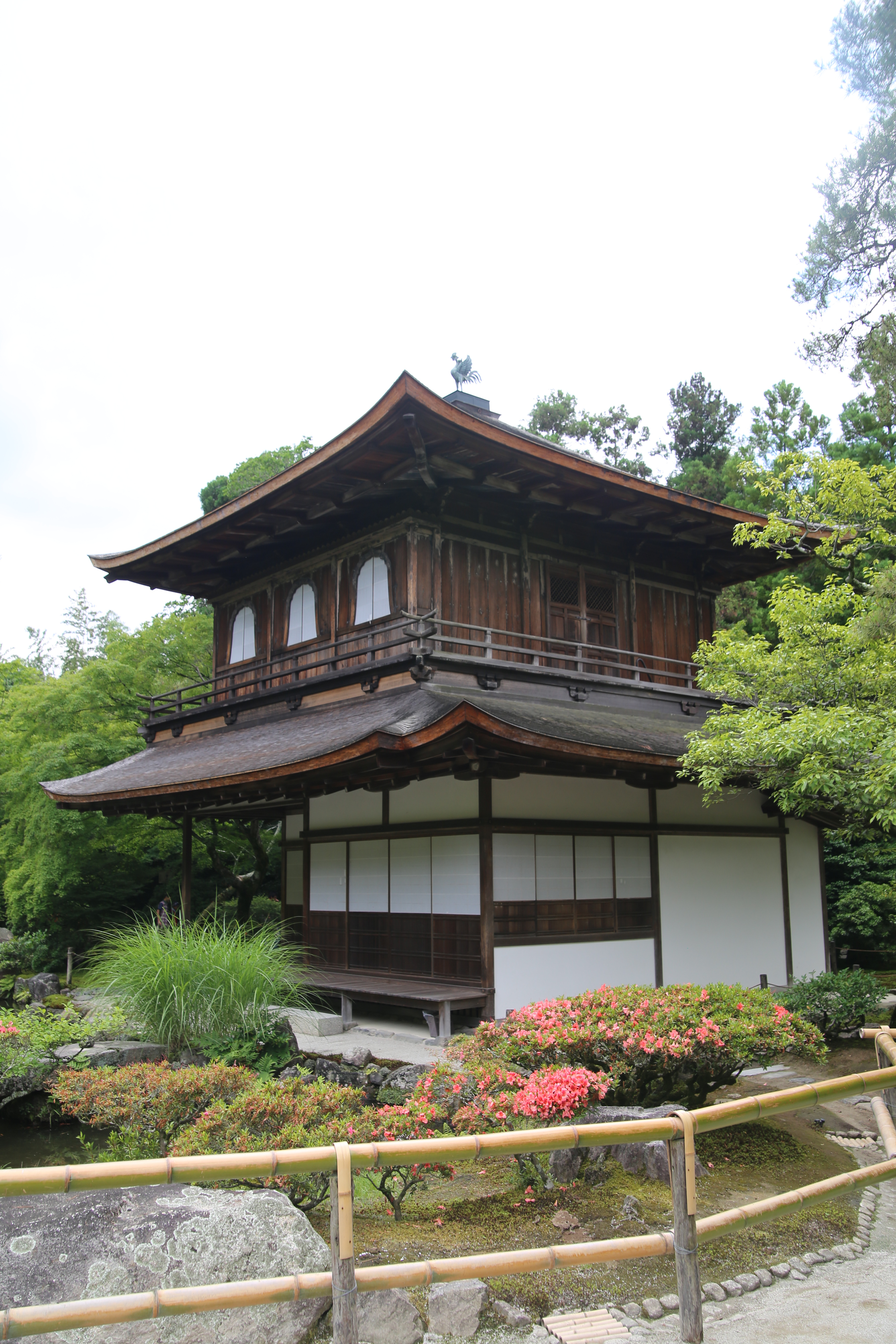
Despite the name “Silver Pavilion,” there’s no actual silver on it. The story goes that the shogun who commissioned it in the 15th century intended to cover it in silver foil — like Kinkaku-ji is covered in gold — but he died before that could happen. The wood was left bare, the silver never came, and the name stuck anyway.
Honestly, it works. The unadorned wood ages beautifully, and the surrounding gardens are some of the best I saw anywhere in Japan.
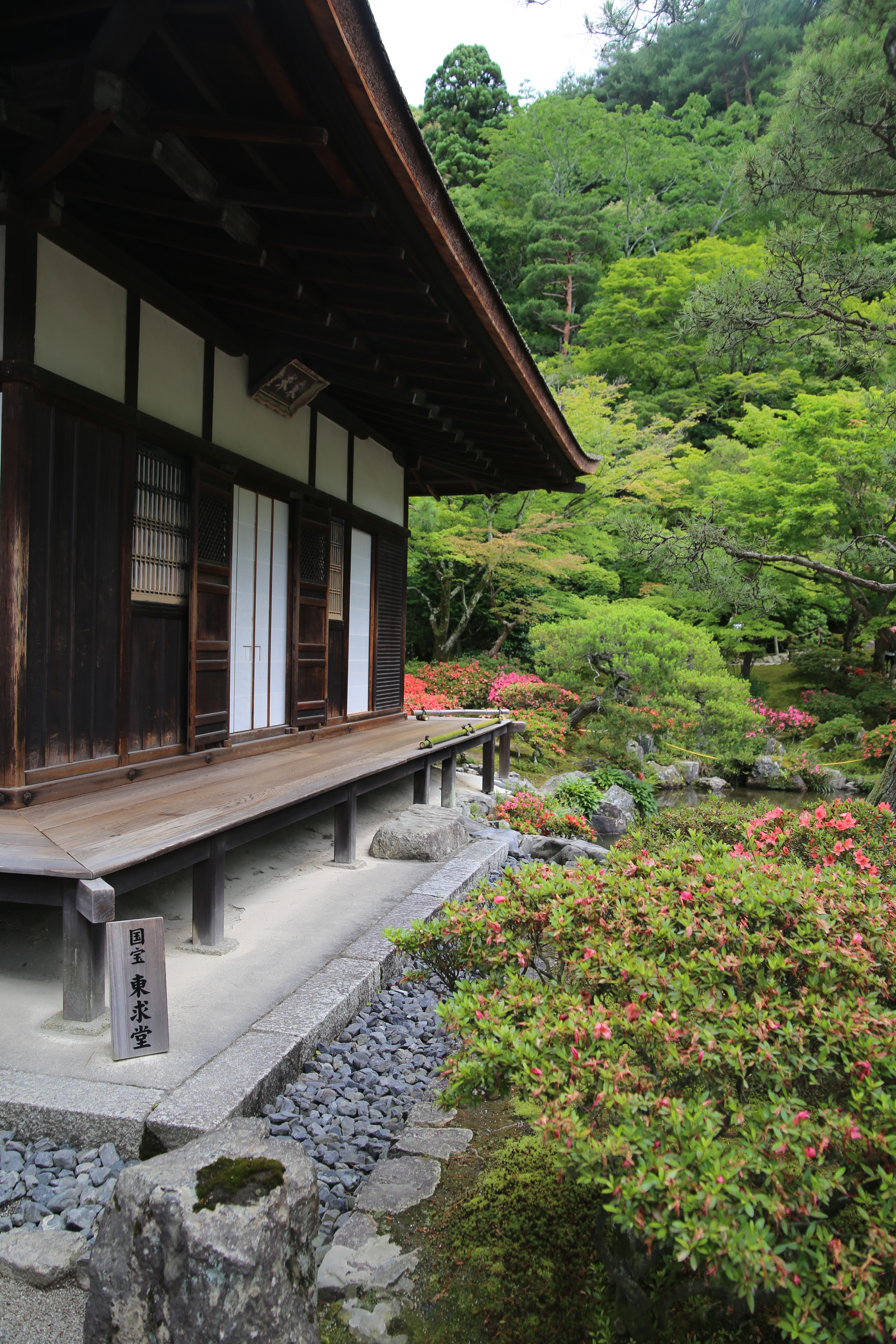
The grounds are designed for walking. Stone paths weave through pine trees and moss gardens, past the famous “sea of silver sand” — a meticulously raked sand garden meant to reflect moonlight.
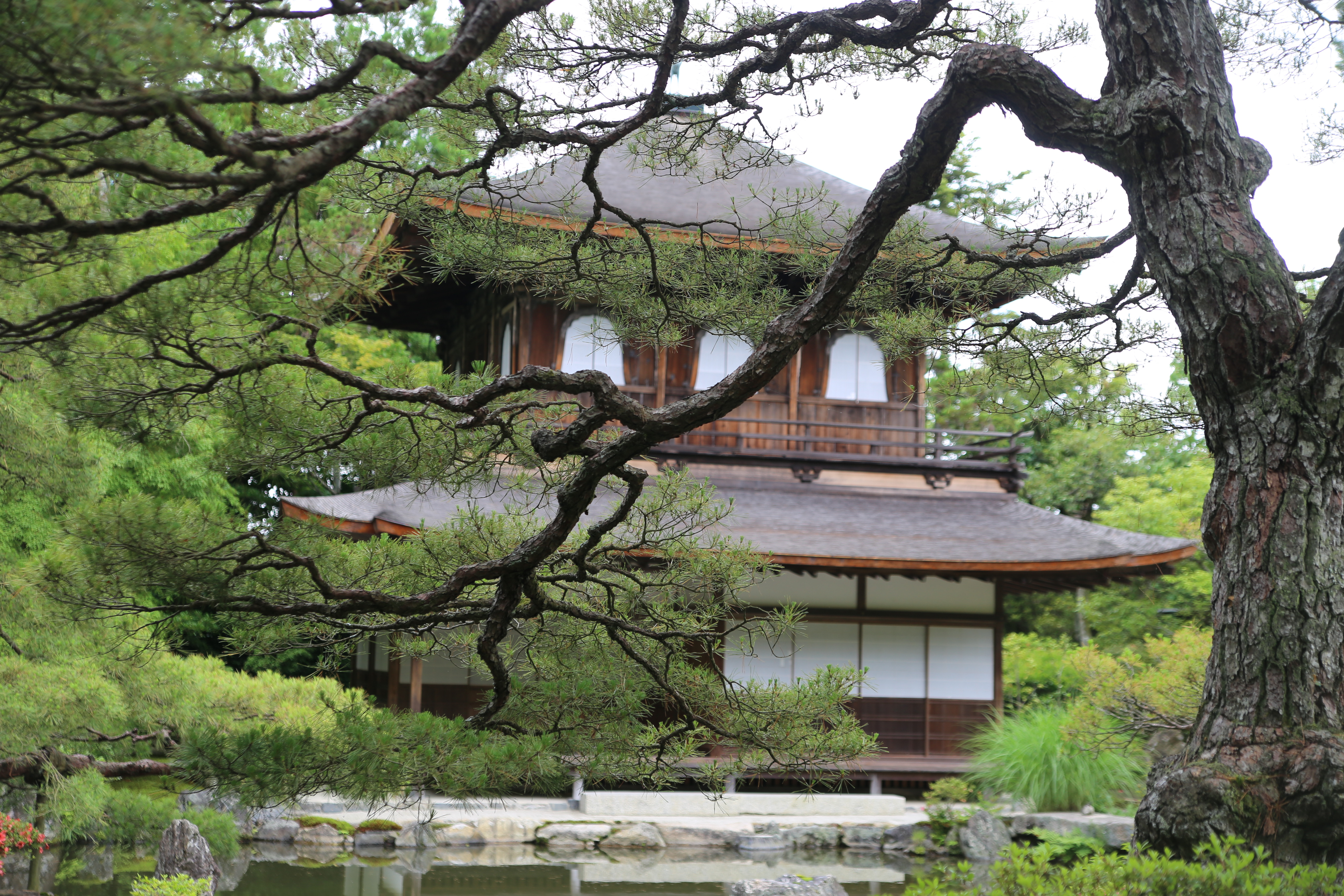
The framing of the pavilion through the pine branches, with the reflection in the pond, is the shot everyone takes. And for good reason — it’s stunning.
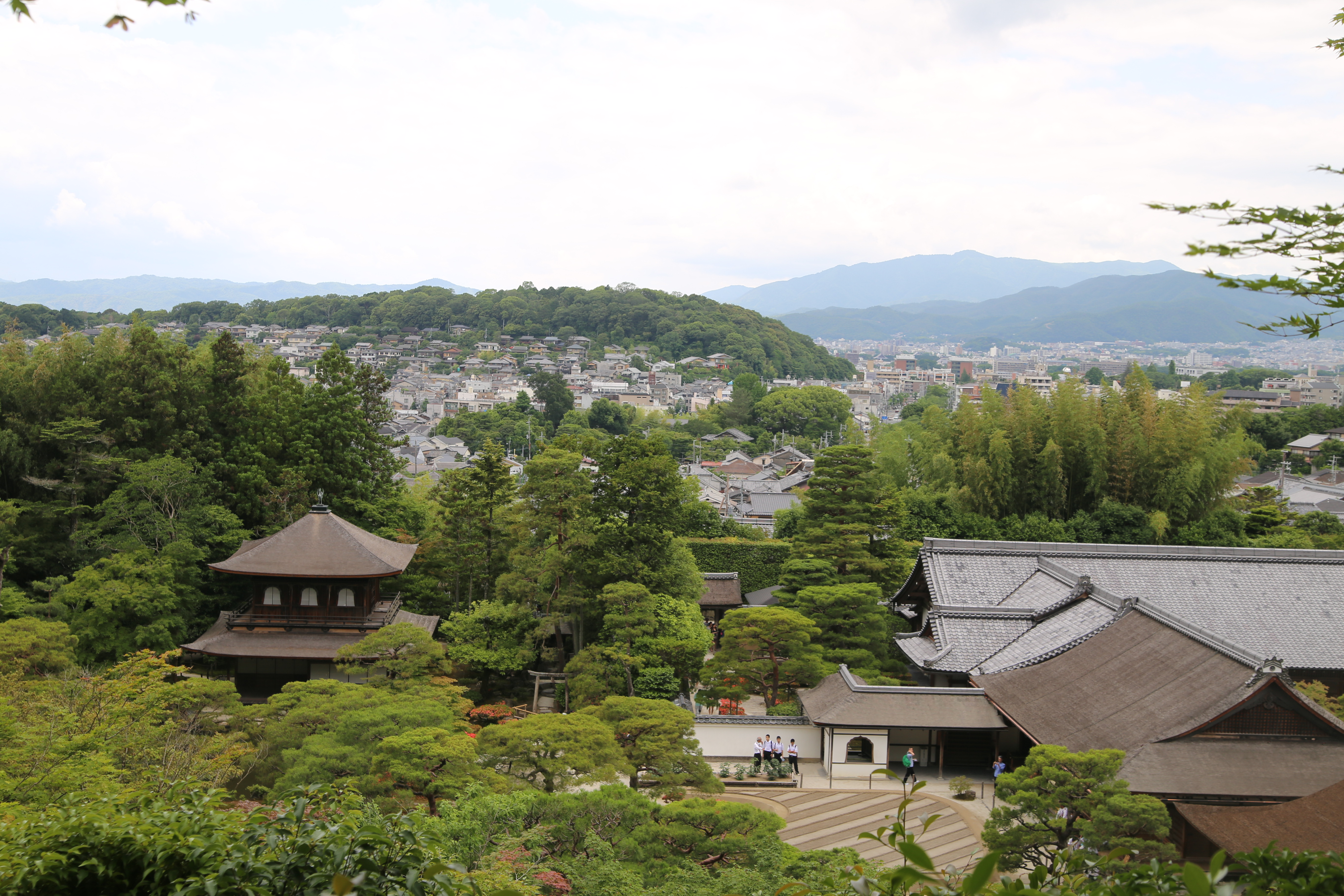
If you walk up the path behind the pavilion, you get a panoramic view over the rooftops of Kyoto with the mountains beyond. Worth the climb.
Dinner: Mame-cha
Now for the food. The receptionist at my hotel recommended a place called Mame-cha and made the reservation for me. I’m glad she did — I would never have found it on my own.
It’s tucked down an alley in the Higashiyama district, and it doesn’t show up properly on Google Maps. At night, with no obvious signage, it’s nearly impossible to spot. Print the directions before you go. And reserve — the place is small.
Mame-cha 463-16 Shimokawaracho Shimokawaradori Yasakatoriimae Sagaru, Higashiyama-ku, Kyoto 605-0825 +81 75-532-2788
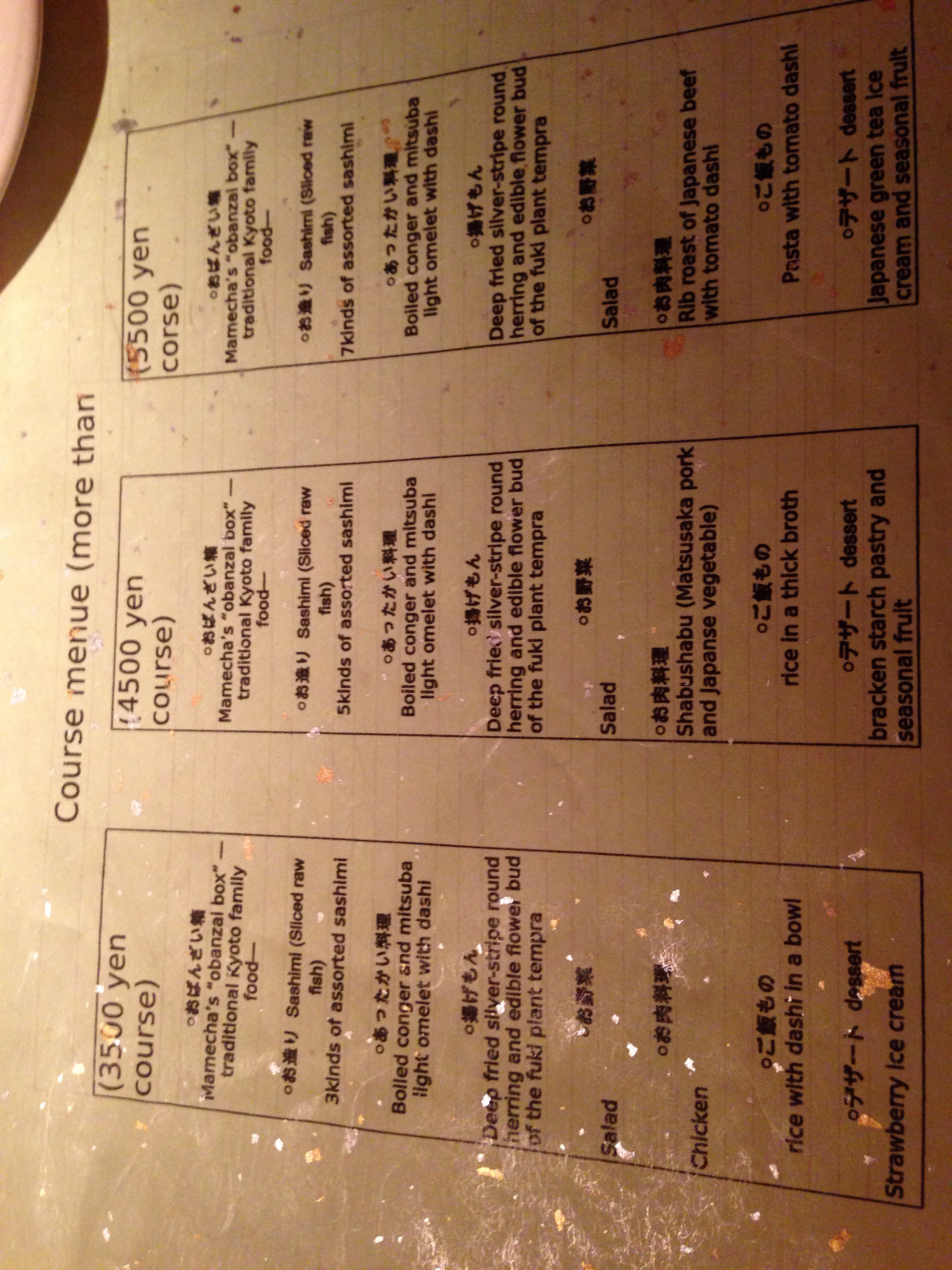
The menu is course-based — three set kaiseki options at 3500, 4500, and 5500 yen. I went with the 3500 yen course because honestly, even the cheapest one is a serious meal.
Obanzai Box
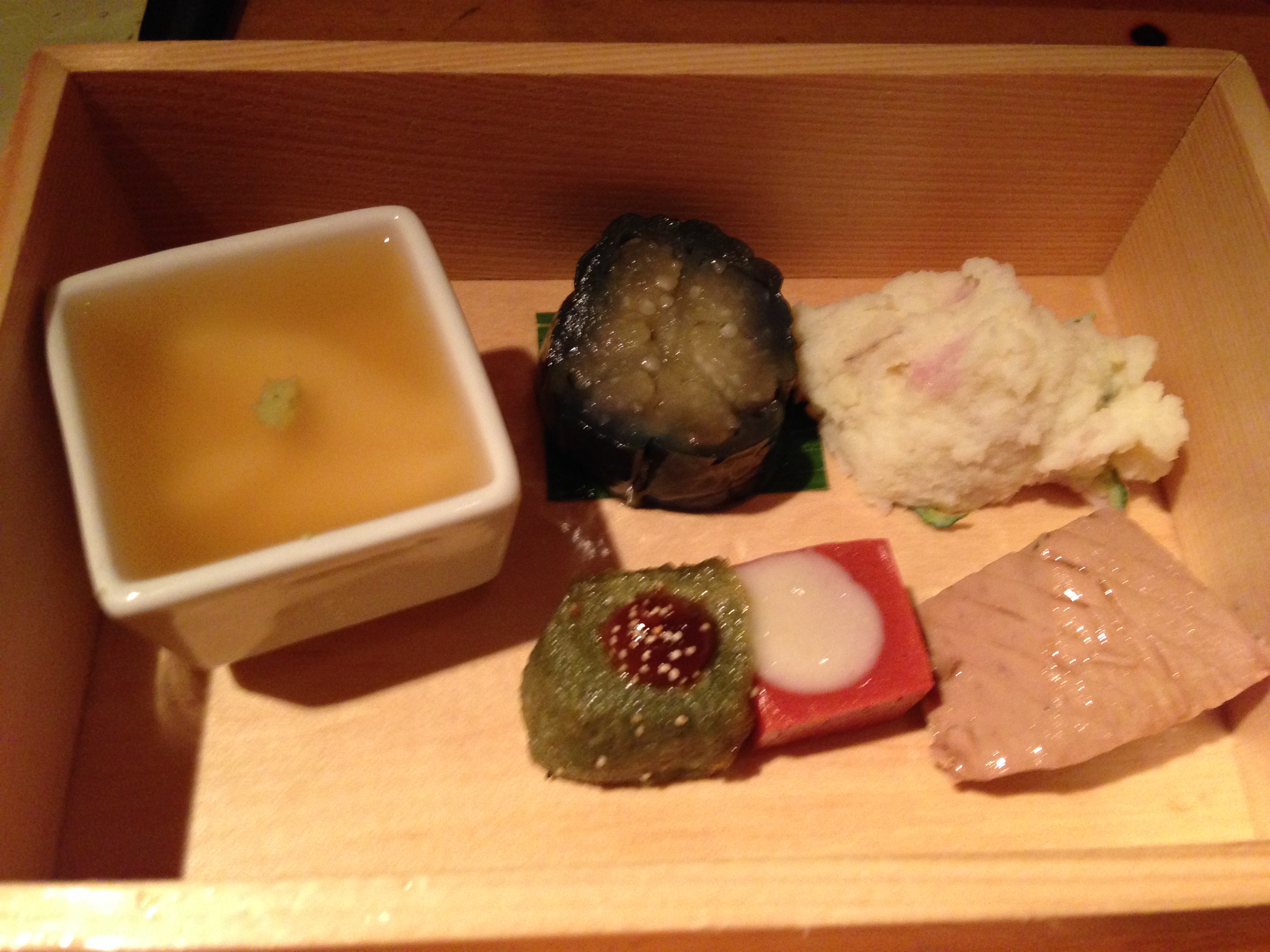
The opener was the obanzai box — a wooden tray with little portions of traditional Kyoto family food. Cold tea, pickled vegetables, what looked like a stuffed eggplant, and a few precise bites of seasoned things you eat with your eyes as much as your tongue. Very classic Kyoto.
Sashimi
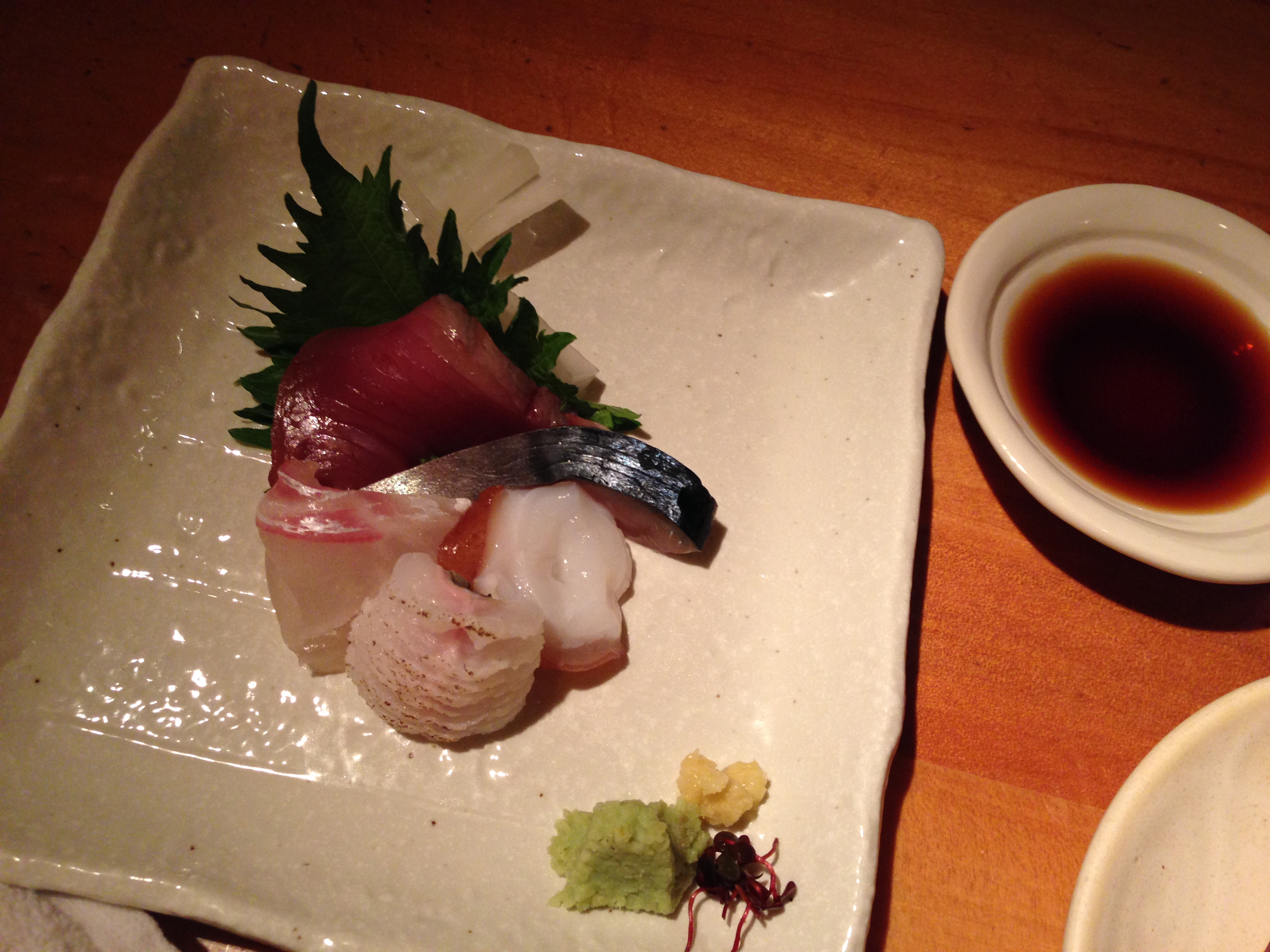
Three kinds of sliced raw fish, arranged on a shiso leaf with fresh wasabi and a small dish of soy sauce. Clean, fresh, and presented like a small still-life painting.
Boiled Congee with Mitsuba Light Omelette
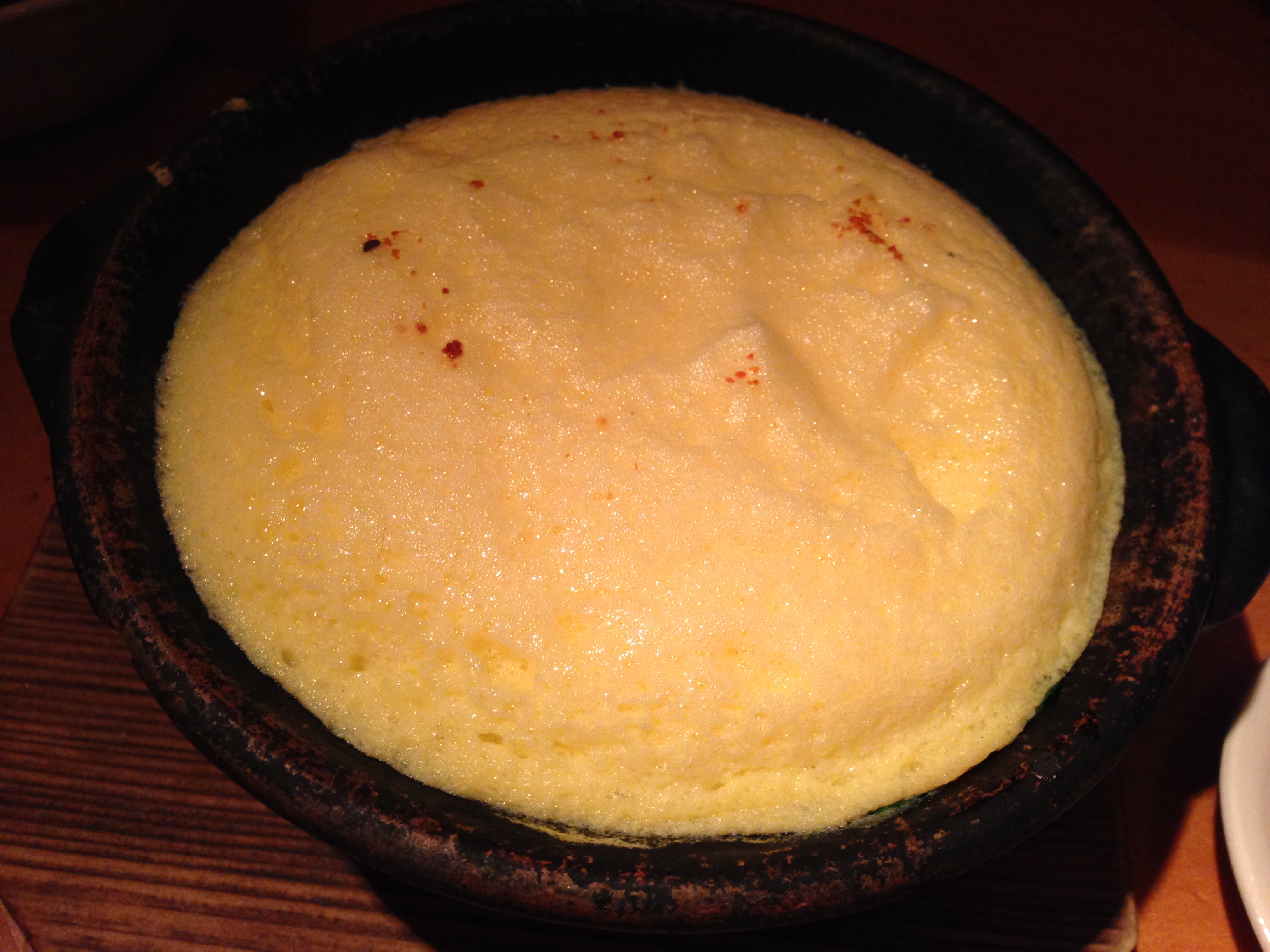
This one was beautiful. A delicate, soufflé-like omelette with mitsuba (Japanese parsley) baked over a base of warm rice congee, served in a small cast iron pan. You break through the eggy top and find the soft rice underneath. Comforting and surprising at the same time.
Deep-Fried Silver-Stripe Herring and Fuki Tempura
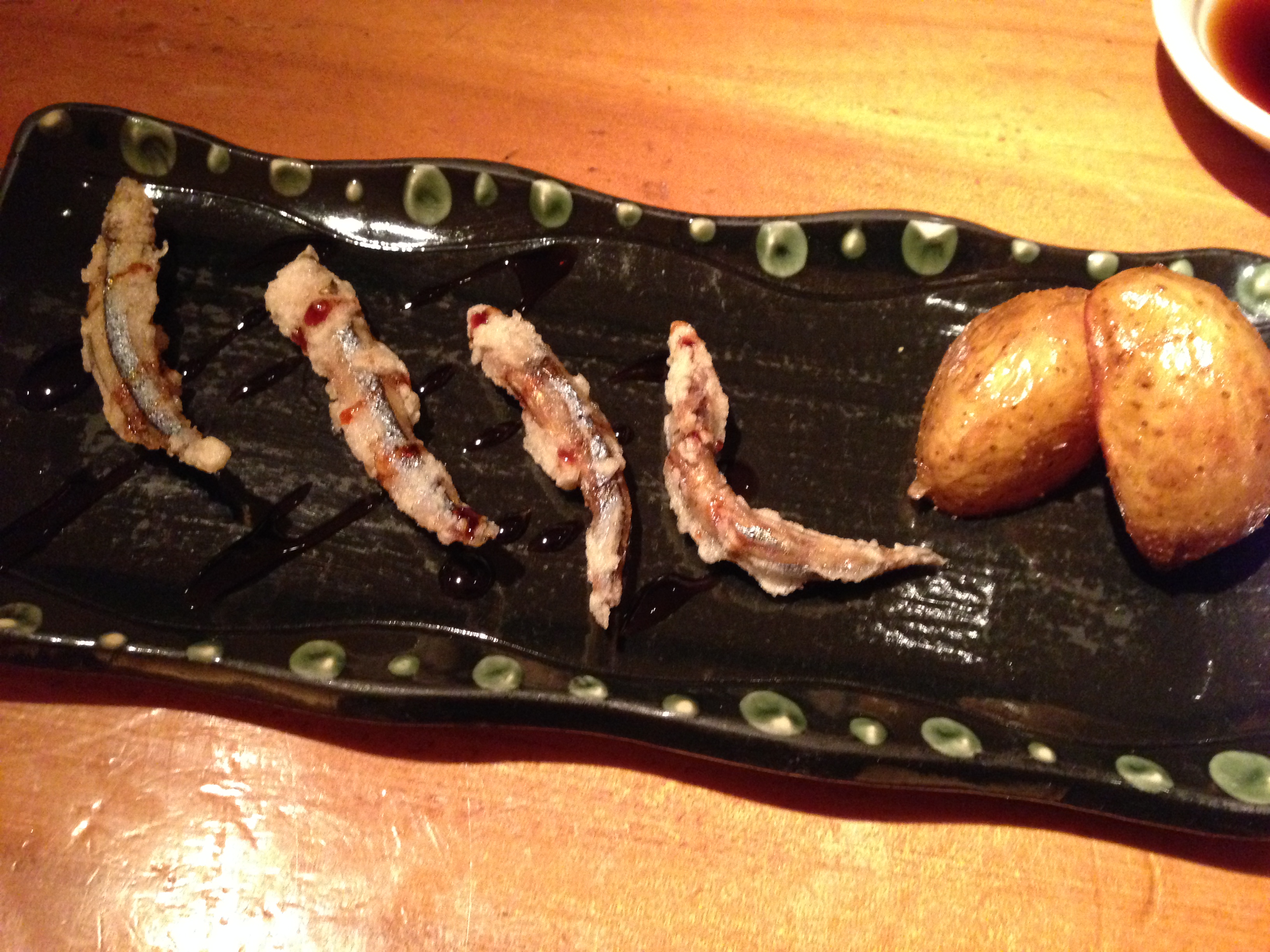
Four delicate pieces of fried herring laid out on a soy-glazed plate alongside two edible flower buds of the fuki plant (Japanese butterbur), tempura-fried. Earthy, slightly bitter — the kind of seasonal vegetable you’d never see outside Japan.
Salad
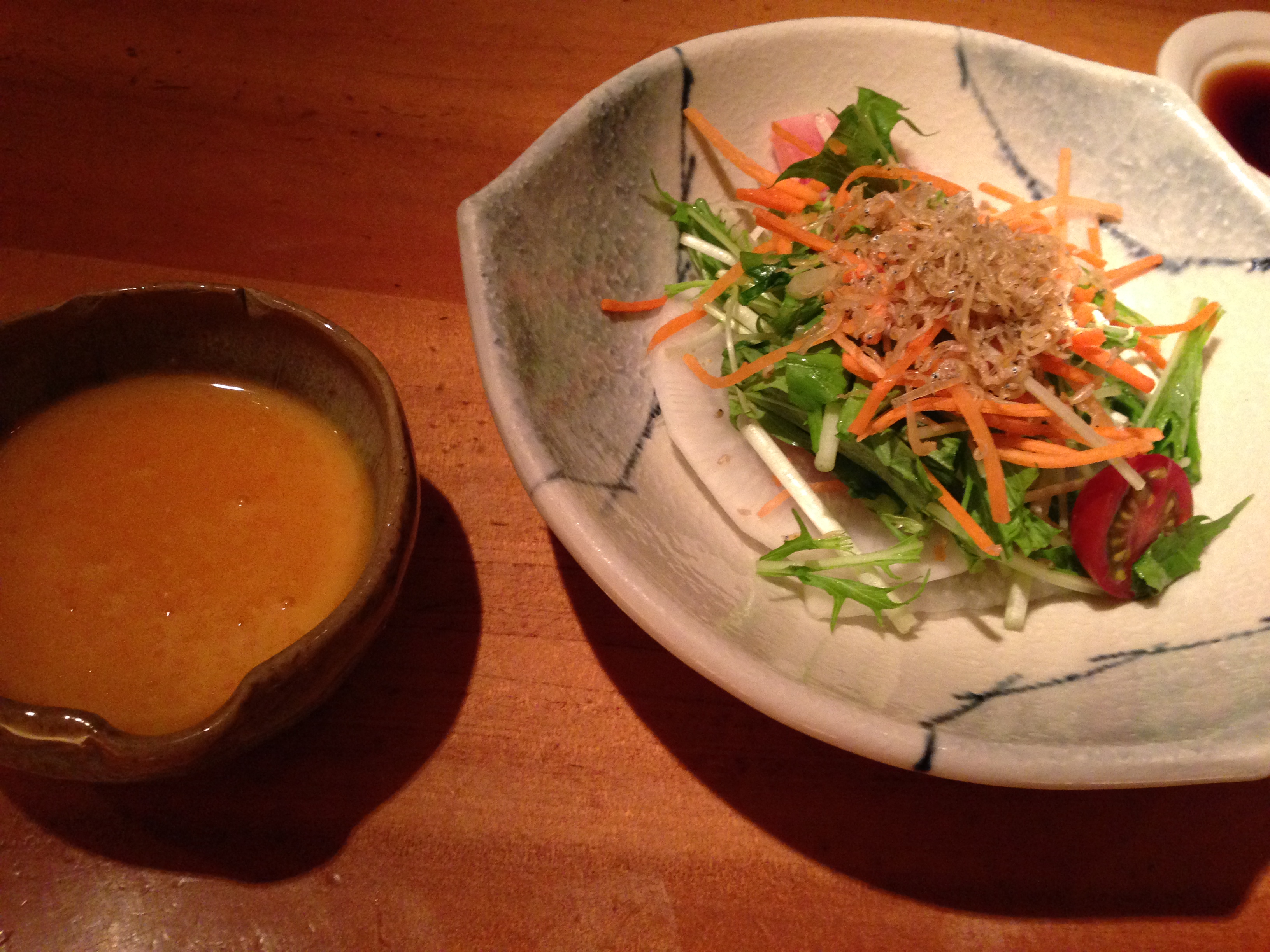
A small bowl of mizuna and shredded carrot with a citrusy dressing on the side. Just clean and bright between the bigger courses.
Soup with Pork
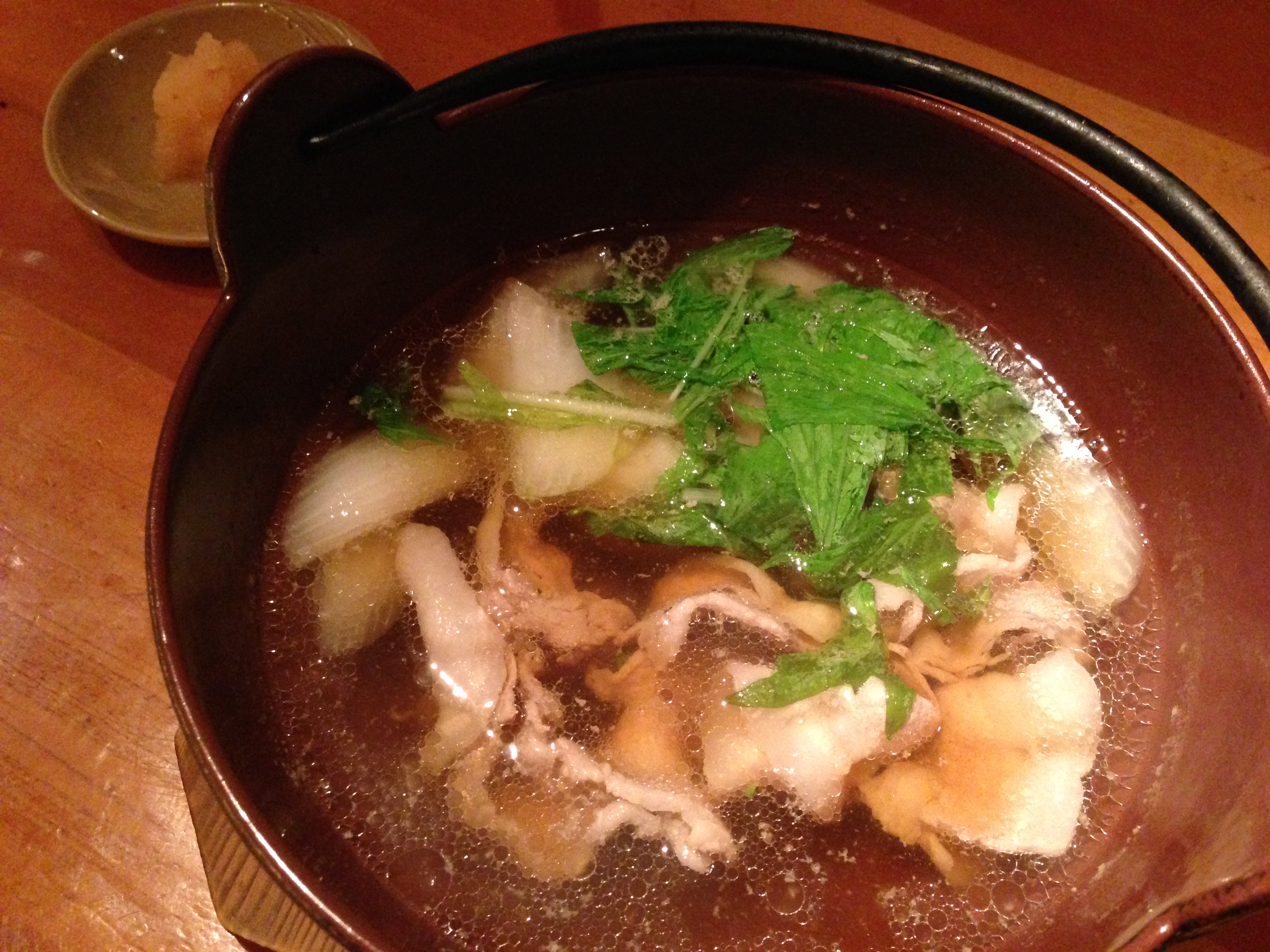
Clear dashi-based broth with thin slices of pork, onion, and shiso. Simple, deep flavour. The kind of bowl where every ingredient earns its place.
Rice with Dashi
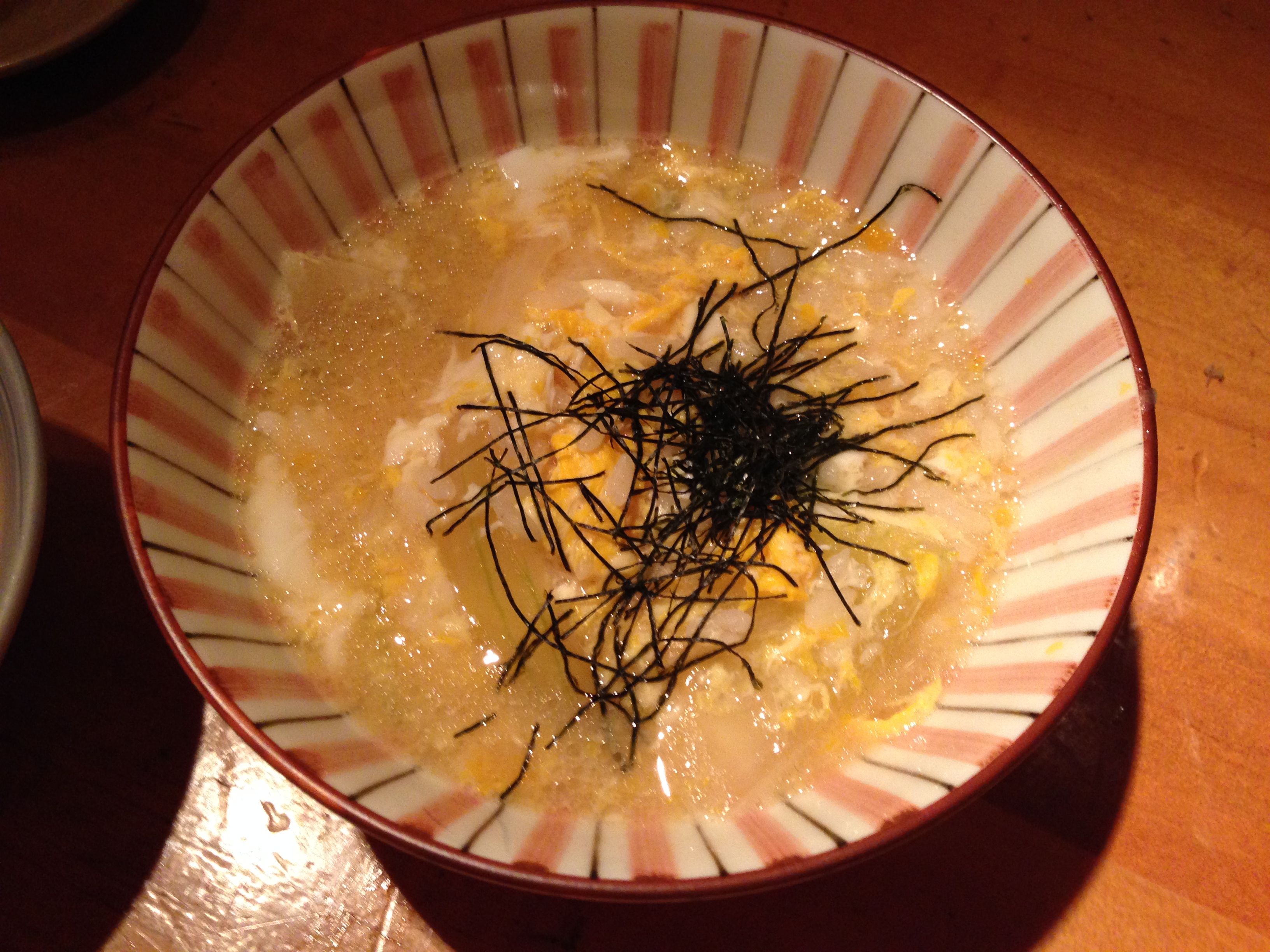
Warm rice with dashi broth poured over it and shredded nori on top. A traditional Kyoto comfort dish — almost like ochazuke. The course meant to send you home full.
Dessert
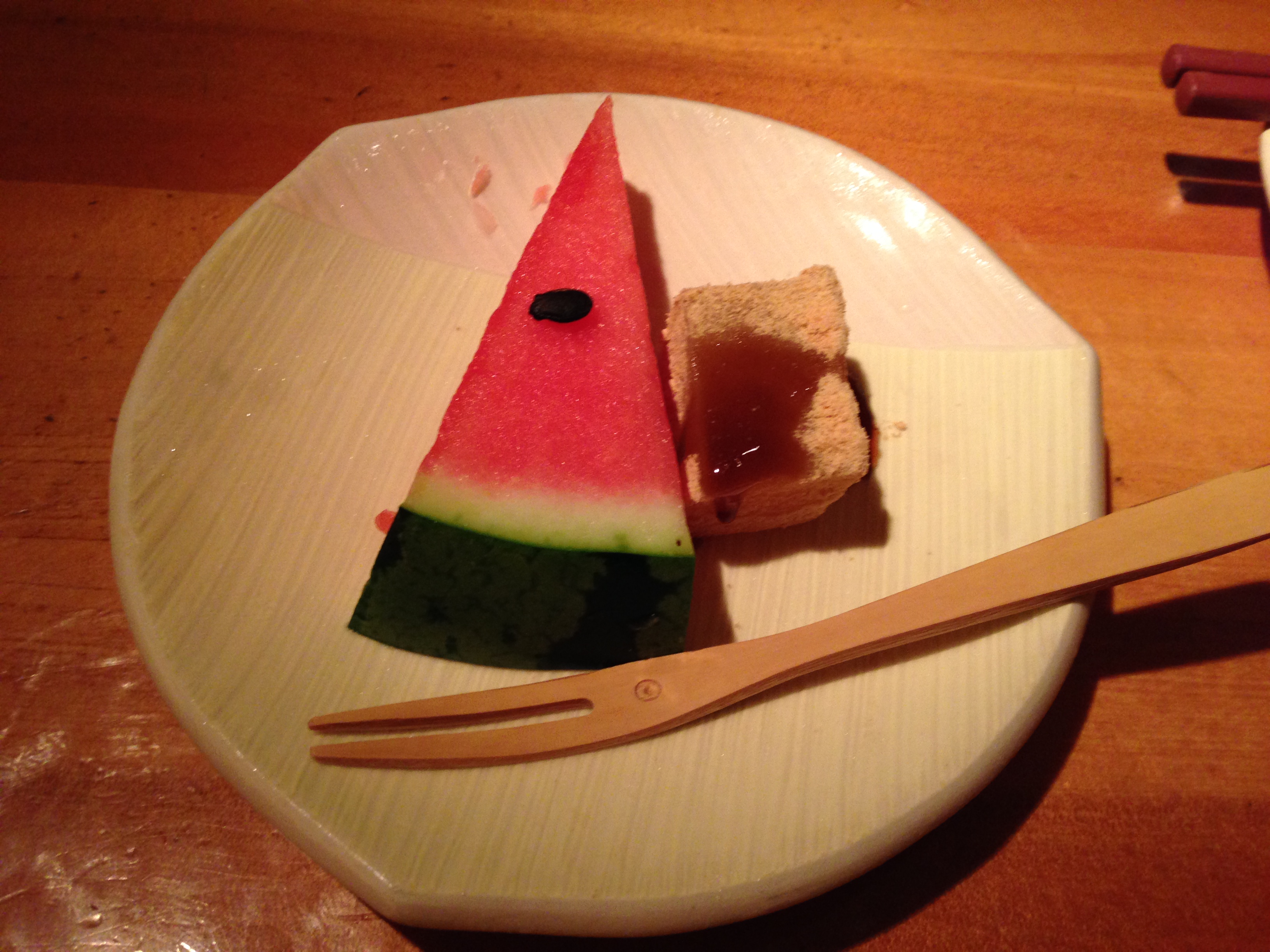
A simple slice of watermelon and what looked like a kuromitsu-glazed sweet. Refreshing, light, exactly what you want at the end of a slow meal.
Matcha
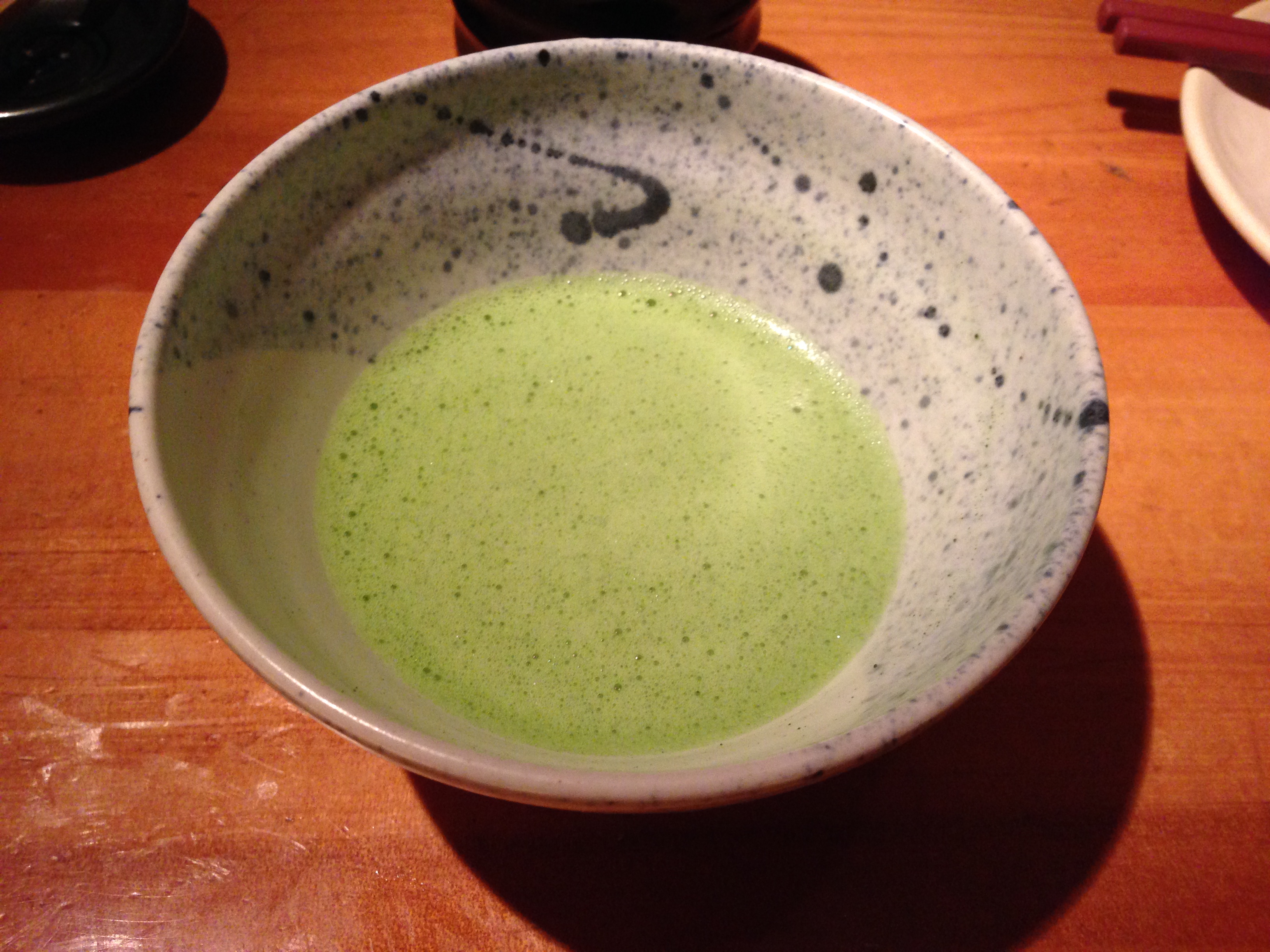
And finally, matcha — properly whisked, pale jade green, with a layer of fine foam on top. The flavour is intense, slightly bitter, slightly sweet, and unlike any tea I’ve had in the US. Honestly, it tasted like the green tea Kit Kats I’d been eating at every convenience store — turns out those Kit Kats are imitating this, not the other way around.
The Bottom Line
Two days in Kyoto barely scratches the surface, but Ginkaku-ji and a kaiseki dinner at Mame-cha is a pretty perfect way to spend an evening. The shrines and temples here are everywhere — you couldn’t see them all if you tried — but a few well-chosen ones, eaten between thoughtful meals, beats trying to check off a Top 20 list.
If you’re going: get the JR Pass, print your directions before you arrive, and have your hotel make the reservation at Mame-cha. You won’t regret any of those.